Source Display Riser for Cafeteria, Store, and Exhibition Use
Find and compare 30 display riser options made from stainless steel and acrylic. These units support kitchen, retail, and exhibition applications with customizable dimensions and OEM services available for bulk sourcing needs.
Key considerations
Products List




Comprehensive Sourcing Guide
Display Riser Sourcing Guide
Procuring display risers requires a nuanced understanding of material properties, structural integrity, and aesthetic alignment with your brand identity. These products serve as critical tools for enhancing product visibility in retail environments, from supermarkets and specialty stores to exhibition halls and home settings. The sourcing process involves evaluating not just the physical dimensions and load-bearing capacity, but also the customization options available to ensure the risers complement your existing merchandising strategy. Buyers must navigate a market where materials range from durable stainless steel to versatile acrylic, each offering distinct advantages in terms of durability, cost, and visual appeal.
This guide provides a structured approach to sourcing display risers, focusing on verified product attributes and industry standards. By examining the observed listing signals, technical specifications, and compliance requirements, buyers can make informed decisions that balance quality with cost-efficiency. The following sections detail the key considerations for selecting the right display riser, ensuring that your procurement efforts align with both immediate operational needs and long-term brand goals.
Product Scope and Observed Listing Signals
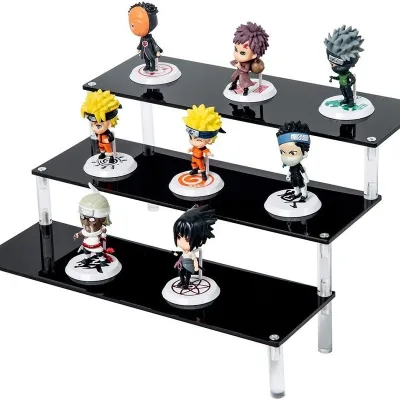
The market for display risers encompasses a wide variety of applications, ranging from cosmetic and jewelry displays to healthcare product showcases and general supermarket shelving. Observed listings indicate that these products are frequently used in indoor settings, including exhibition shows, specialty stores, and home environments. The versatility of these items is evident in their diverse applications, such as displaying sunglasses, smartwatches, and cosmetics, which requires specific design features like sample display functionality and storage rack capabilities. Buyers should consider the specific product categories they intend to showcase, as this will influence the choice of material and design.
Material selection is a primary differentiator in the display riser market, with stainless steel and acrylic being prominent options. Stainless steel risers are often associated with durability and a modern aesthetic, suitable for high-traffic areas like cafeterias and restaurants, while acrylic risers offer transparency and a sleek look, ideal for cosmetics and jewelry. The observed data highlights that customization is widely available, allowing buyers to tailor the risers to their specific branding needs. This includes options for customized logos and design artwork, which can enhance brand recognition and create a cohesive visual identity across retail spaces.
Technical Specifications to Verify
When evaluating display risers, buyers must pay close attention to physical dimensions and structural specifications. Observed models indicate a range of sizes, from compact units measuring 303027cm to larger floor-type stands with dimensions up to 200200150mm. Thickness is another critical factor, with some acrylic products specified at 3mm, which impacts both durability and visual clarity. Buyers should verify the exact dimensions required for their display space and product types, ensuring that the risers provide adequate support without obstructing visibility. The build method, whether connected or modular, also affects assembly and stability, so understanding the construction details is essential.
Packaging and origin details are crucial for logistics and quality assurance. Products are often packed in export cartons, bubble bags, or foam pads to prevent damage during transit. The origin of the products, such as China, Ningbo, or Xiamen, can influence shipping costs and lead times. Buyers should confirm the packaging standards to ensure that the risers arrive in pristine condition, especially for fragile materials like acrylic. Additionally, the availability of customized models, such as those with specific model numbers like HD-A003 or NCT-140, allows for precise matching with existing inventory systems and display fixtures.
Compliance and Safety Documentation
Compliance with international standards is vital for ensuring the safety and quality of display risers, particularly in retail environments where customer interaction is frequent. Observed certifications include SGS and ISO9001-2000, which indicate adherence to rigorous quality management and testing protocols. Buyers should request these certifications to verify that the manufacturers have implemented robust quality control measures. The presence of such certifications can also facilitate smoother customs clearance and reduce the risk of receiving substandard products, providing an additional layer of security for the procurement process.
Safety considerations extend beyond certification to include the physical stability and material safety of the risers. For products used in high-traffic areas, it is important to ensure that the risers are stable and do not pose a tipping hazard. Buyers should verify that the materials used, such as stainless steel or acrylic, are free from harmful substances and meet relevant safety standards for consumer products. Additionally, the non-antitheft attribute of some products suggests that buyers may need to consider additional security measures if the risers are used in high-value display scenarios.
Cost Drivers and Commercial Terms
The cost of display risers is influenced by several factors, including material type, customization level, and order quantity. Observed price ranges vary significantly, from low-cost basic units to premium customized options, reflecting the diversity in materials and features. Buyers should consider the total cost of ownership, including shipping, packaging, and potential customization fees, rather than just the unit price. The availability of OEM services and customized logos can add value but may also increase the overall cost, so it is important to balance these factors against the desired brand impact.
Commercial terms such as MOQ (Minimum Order Quantity) and lead times are critical for planning and budgeting. Observed MOQs range from 1 to 200 units, offering flexibility for both small and large orders. Delivery times, such as small orders within 15 days, can impact inventory management and store launch schedules. Buyers should negotiate clear terms regarding payment, shipping, and returns to mitigate risks. Understanding these commercial terms helps in forecasting costs and ensuring that the procurement process aligns with business timelines and financial constraints.
Supplier Qualification and Quality Control
Selecting a reliable supplier is paramount to ensuring consistent quality and service. Buyers should verify the supplier’s production capabilities, including their ability to handle customized orders and maintain quality standards. The observed data indicates that suppliers offer design and drawing artwork services, which can be a valuable asset for creating unique display solutions. Buyers should assess the supplier’s responsiveness and willingness to collaborate on design aspects, as this can significantly impact the final product’s suitability for their needs.
Quality control measures should be established before placing orders, including pre-shipment inspections and sample approvals. Buyers should request samples to evaluate the material quality, finish, and stability of the risers. The observed packaging methods, such as bubble bags and five-layer master cartons, suggest a focus on protecting products during transit, but buyers should still verify these practices. Establishing a clear quality assurance protocol with the supplier can help prevent issues such as damage, defects, or non-conformance to specifications, ensuring that the delivered products meet the required standards.
Long-Term Procurement Checks
Long-term success in sourcing display risers depends on continuous evaluation and relationship management with suppliers. Buyers should monitor supplier performance over time, tracking metrics such as delivery accuracy, product quality, and responsiveness to issues. Regular audits and feedback sessions can help identify areas for improvement and strengthen the partnership. The observed customization options, such as recycled materials and specific design features, suggest that suppliers are adaptable to changing market trends and sustainability goals, which buyers should leverage for long-term strategic advantages.
Sustainability and innovation are increasingly important factors in procurement decisions. Buyers should explore suppliers’ capabilities in offering eco-friendly materials and designs, such as recycled acrylic or stainless steel, to align with corporate sustainability goals. Additionally, staying informed about industry trends and new product developments can help buyers remain competitive and responsive to customer preferences. By maintaining a proactive approach to supplier management and market analysis, buyers can ensure that their display riser procurement strategy remains effective and aligned with evolving business needs.
FAQs
What materials are used for display risers?
Display risers are commonly manufactured from stainless steel or acrylic. Stainless steel options are suitable for kitchen, restaurant, and buffet equipment applications. Acrylic models are designed for indoor use in supermarkets, specialty stores, and exhibition shows. The material choice depends on the specific display environment and product type.
Can I customize the logo on display risers?
Yes, customization is available for display risers. Suppliers offer customized logos and can provide design and drawing artwork services. This allows businesses to brand their retail or exhibition displays effectively. The customization process supports various product models and dimensions to meet specific corporate identity requirements.
What is the typical delivery time for orders?
Small orders can be delivered within 15 days. This lead time applies to standard production runs for display risers. For larger or customized orders, delivery times may vary based on production capacity and specific requirements. Buyers should confirm exact timelines with suppliers during the inquiry phase.
Which certifications are available for display risers?
Display risers may come with SGS and ISO9001-2000 certifications. These standards ensure quality and safety for products used in pharmacies, cosmetics shops, and supermarkets. Buyers can verify these certifications to ensure compliance with industry regulations and quality expectations for their retail environments.
How are display risers packaged for shipping?
Packaging methods include export cartons, bubble bags, and foam pads. Some items are packed as one piece per carton, while others use five-layer master cartons for protection. This ensures safe transit for fragile materials like acrylic or delicate stainless steel components during international shipping.
What are the standard dimensions for acrylic risers?
Standard dimensions include 30x30x27cm and 200x200x150mm. Thickness options like 3mm are available for durability. Customized product dimensions are also offered to fit specific display needs. These sizes support various applications from jewelry displays to smart-watch showcases in retail settings.